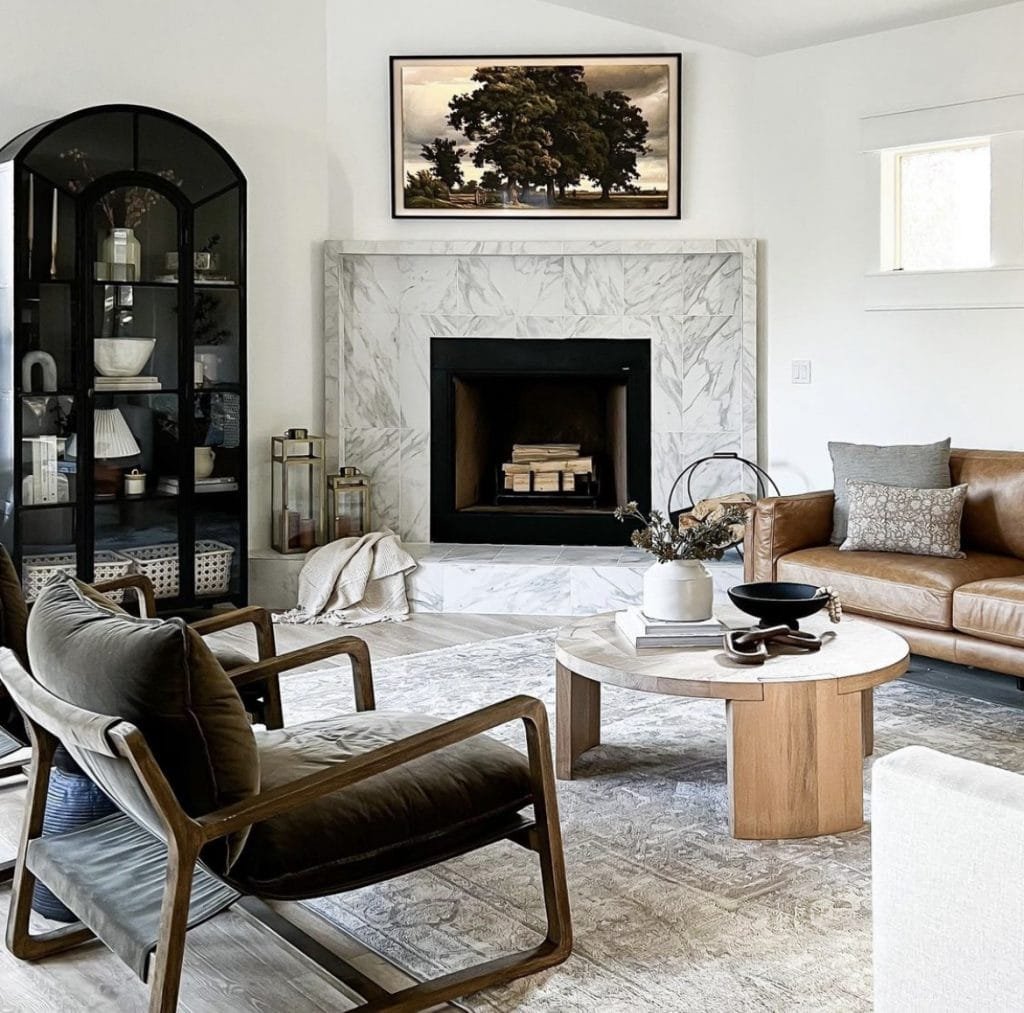
Step into a home where every corner whispers a story, where furniture isn't just functional but a piece of history, and where the overall Vintage Interior Design & Set Aesthetics evokes a sense of timeless elegance. This isn't just about dusting off Grandma's old dresser; it's a deliberate, artful approach to creating spaces that blend the rich character of the past with the practical needs of modern living. In an era dominated by fleeting trends and mass-produced uniformity, vintage design offers a refreshing antidote, allowing you to curate a home that is profoundly personal, sustainable, and utterly captivating.
This guide will navigate you through the enduring charm of vintage aesthetics, offering practical insights and a spectrum of design approaches that empower you to infuse your modern home with classic soul.
At a Glance: Your Vintage Design Compass
- What it is: Blending items typically over 20 years old into contemporary spaces, valuing history and character.
- Why it's popular: Sustainability (reuse, repurpose), unique personality, timeless appeal.
- Key Elements: Mid-century modern furniture, Victorian decor, retro sofas, distressed wood, soft pastels, muted tones, floral prints, geometric patterns.
- How to achieve it: Mix old with new, source authentic pieces, prioritize character over perfection.
- Benefits: Reduces waste, minimizes carbon footprint, creates distinctive, history-rich environments.
- A Spectrum of Styles: From glamorous Art Deco to cozy Shabby Chic, discover 29 distinct vintage approaches to inspire your space.
The Enduring Allure of the Past: Why Vintage Matters Now
Forget the misconception that "vintage" means dusty or dated. Today's Vintage Interior Design & Set Aesthetics is about intentional curation, celebrating the craftsmanship, narratives, and distinct styles from bygone eras. It's a dialogue between different time periods, where a sleek 1960s credenza might sit comfortably beside a rustic farmhouse table, unified by a shared appreciation for enduring design. This approach doesn't just decorate a room; it layers it with depth and meaning, transforming your living space into a conversation starter, a gallery of personal history.
One of the most compelling reasons for vintage design's resurgence is its inherent sustainability. In a world grappling with environmental concerns, choosing vintage means participating in a circular economy. You're giving pre-loved items a second life, significantly reducing demand for new production, conserving resources, and minimizing landfill waste. It's an eco-friendly choice that feels good and looks even better, contributing to a lower carbon footprint for your home.
Beyond sustainability, vintage pieces offer unmatched character and timeless appeal. Unlike mass-produced items, genuine vintage furniture and decor often boast superior quality, unique construction, and a patina that only time can create. These are not merely objects; they are artifacts imbued with a sense of history, telling stories of previous lives and adding a distinctive personality that new items simply can't replicate. Embracing vintage means building a home that feels curated, lived-in, and utterly unique—a far cry from a sterile showroom.
Deconstructing the Vintage Look: Core Elements
To successfully weave vintage charm into your home, you first need to understand its foundational components. Think of these as your building blocks, ready to be mixed, matched, and reimagined.
Furniture & Decor: More Than Just Old Chairs
The soul of vintage design lies in its furniture and decorative accents. These are the tangible connections to the past, each piece bringing its own story and style.
- Iconic Furniture: Imagine the clean lines of a mid-century modern armchair, perhaps a sleek Danish-inspired piece with tapered legs, paired with a modern sofa. Or consider the intricate carvings and rich wood of a Victorian-era side table. Retro sofas, distressed wooden consoles, and pieces featuring delicate detailing like brass handles or ornate inlays all contribute to this rich tapestry. These aren't just functional items; they are focal points. If you're looking for guidance on classic design, you might find valuable insights in a Mid-Century Modern Furniture Guide.
- Curated Decor: The smaller details often make the biggest impact. Think of an old grandfather clock ticking softly in the hall, ornate mirrors reflecting light, or vintage artwork depicting landscapes or abstract forms from a different era. Textiles play a crucial role—delicate lace curtains, embroidered pillows, or handwoven rugs can soften a space. Iconic items like rotary phones, typewriters, and vintage lamps (from elegant Tiffany-style to playful atomic-era designs) serve as charming conversation pieces, grounding your modern space in history. Mixing items from various eras is key to creating an eclectic, yet cohesive, narrative.
Color Palettes & Patterns: The Language of Eras
Color and pattern are powerful tools in defining a vintage aesthetic, setting the mood, and connecting disparate pieces.
- Muted & Earthy Tones: Vintage palettes lean away from stark whites or overly saturated brights. Instead, you'll find a predominance of soft pastels like dusty rose, pale mint, or baby blue. Muted tones such as sage green, mustard yellow, and burnt orange are incredibly popular, often paired with earthy hues like terracotta, olive, or warm creams. These colors create a calming, nostalgic backdrop that allows vintage pieces to truly shine.
- Historic Patterns: Patterns are integral, often acting as stylistic signposts.
- Floral prints evoke a romantic, cottage-core, or Victorian sensibility, appearing on wallpapers, upholstery, and textiles.
- Geometric shapes are hallmarks of the Art Deco period (1920s-1930s), bringing a sophisticated, angular energy to a space. Think repeating chevrons, sunbursts, or fan motifs. For inspiration on this glamorous era, exploring Art Deco Inspiration can be incredibly helpful.
- Damask designs, with their ornate, reversible patterns, suggest a more opulent, traditional elegance. These patterns are often found in wallpapers, heavy draperies, and sumptuous upholstery, creating a rich, layered effect.
Harmonizing Eras: Seamlessly Blending Vintage into Modern Homes
The magic of Vintage Interior Design & Set Aesthetics isn't about time-traveling; it's about making the old feel new again, seamlessly integrated with contemporary life. The key is balance and intentionality.
To integrate vintage elements without your home feeling like a museum, focus on blending old with new. Imagine a sleek, minimalist desk adorned with a vintage typewriter or a contemporary sofa flanked by two mid-century modern side chairs. This juxtaposition creates visual interest and prevents any single era from dominating. Retro lighting fixtures, like a Sputnik chandelier or an antique task lamp, can effortlessly bridge the gap between decades, adding character to otherwise modern spaces.
Authenticity is paramount. When sourcing pieces, prioritize genuine vintage furniture from reputable antique dealers, flea markets, estate sales, or online marketplaces specializing in pre-loved items. Don't shy away from signs of age—a little wear, a scratch, or faded paint often adds to the charm and narrative of a piece, giving it character that new items lack. These imperfections tell a story.
Finally, don't underestimate the power of vintage textiles and artwork. An embroidered pillow, a handwoven rug with a faded pattern, or a collection of antique botanical prints can instantly warm up a modern room, adding texture and visual depth. These smaller elements are often an accessible entry point into vintage design, allowing you to experiment with different eras and styles before committing to larger pieces.
Beyond Aesthetics: The Tangible Benefits of Going Vintage
Choosing Vintage Interior Design & Set Aesthetics isn't just a stylistic decision; it's a conscious lifestyle choice that brings a host of practical advantages, reaching far beyond the visual appeal.
Sustainability and Eco-Friendliness
In an age of increasing environmental awareness, vintage design stands out as a champion of sustainability. When you opt for vintage, you are actively participating in a circular economy:
- Reduces Waste: You're giving existing materials and products a second life, diverting them from landfills. This dramatically reduces the amount of waste generated by the interior design industry.
- Minimizes New Production: By choosing a vintage piece, you're not contributing to the demand for new manufacturing. This in turn reduces the consumption of raw materials, energy, and water needed for production processes.
- Lowers Carbon Footprint: Less new production means fewer greenhouse gas emissions associated with manufacturing, transportation, and disposal. Your home becomes a testament to mindful living, contributing to a healthier planet.
- Supports Sustainable Living: It encourages a mindset of appreciation for durability and craftsmanship, shifting away from a disposable culture. It's a tangible way to make your living space greener, and for more tips, explore sustainable home decor tips.
Timeless Appeal and Character
Modern mass production often prioritizes uniformity and cost-effectiveness, sometimes at the expense of unique character. Vintage pieces, however, offer a distinct advantage:
- Sense of History: Each vintage item carries a past, a story from another time. This intrinsic history imbues your space with an authenticity and depth that new items cannot replicate. It invites curiosity and conversation.
- Distinctive Styles: Vintage pieces were often crafted with specific aesthetic movements in mind—be it the elegance of Art Deco, the boldness of Mid-Century Modern, or the romance of Victorian design. These styles are often inimitable in today's market, giving your home a truly unique and engaging atmosphere. You're creating a space that transcends fleeting trends, establishing a timeless aesthetic that evolves gracefully with you. Just as a classic film can set a particular atmosphere, so too can carefully chosen vintage pieces evoke a specific mood, perhaps even putting you In the Mood for Love.
Unlocking Your Aesthetic: 29 Distinctive Vintage Design Approaches
The beauty of Vintage Interior Design & Set Aesthetics lies in its incredible breadth. It's not a single look, but a vast tapestry of eras, movements, and personal expressions. From the opulent to the understated, the playful to the profound, there's a vintage style to resonate with every personality. Here, we explore 29 distinct approaches, each offering a unique lens through which to view and design your home.
Roaring Twenties & Jazz Age Glamour
These styles celebrate the opulence and exuberance of the early 20th century, perfect for those who love sophistication with a hint of rebellion.
- Glamorous Art Deco Charm: Sophistication with bold patterns and luxurious accents (1920s); includes thrifted mirrored decor, metallic spray paint, rich fabrics like velvet, symmetrical accents, and vintage-inspired art.
- 1920s Secret Lounge: Speakeasy glamour; characterized by dark, thrifted furniture, velvet cushions, jazz-age posters, and a vintage cocktail tray.
- 1920s Hidden Glam: Thrilling speakeasy vibe; uses dark, thrifted wood pieces, plush leather, vintage barware, and prohibition-era posters.
- Flowing Art Nouveau Beauty: Graceful curves inspired by nature’s elegance; uses affordable stained glass decals, sculptural secondhand furniture, and floral textiles.
Mid-Century & Groovy Vibes
Embrace the optimism and innovation of the post-war era, moving into the free-spirited designs of the 60s and 70s.
5. Vibrant Retro Haven: Bold colors, playful mid-20th-century patterns; uses affordable retro furniture, vibrant throw pillows, geometric wall art, and chrome touches.
6. 1950s Nostalgic Glow: Optimistic post-war era style; incorporates pastel-colored decor, thrifted diner-style stools, Formica tabletops, chrome-trimmed accessories, and vintage posters.
7. Sleek Mid-Century Simplicity: Timeless elegance with clean lines and organic shapes; utilizes affordable tapered-leg chairs, sleek sideboards, and a neutral palette with mustard/teal accents.
8. Funky 1970s Vibe: Carefree spirit with bold colors and eclectic patterns; includes a thrifted bean bag chair or shag rug, retro posters, and colorful throws.
9. Playful 1960s Pop: Vibrant style with psychedelic flair; includes affordable plastic chairs, thrifted graphic art, colorful rugs, and pop culture-inspired accents.
Romantic & Rustic Escapes
For those drawn to warmth, comfort, and the charm of a bygone pastoral life, these styles offer a cozy embrace.
10. Cozy Rustic Retreat: Natural charm; uses thrifted wooden furniture, galvanized metal accents, handmade quilts, and vintage farm tools or pastoral artwork.
11. Soft Shabby Chic Glow: Delicate charm with pastels and distressed finishes; features affordable painted furniture, vintage lace, floral fabrics, and worn wood accents.
12. Quaint Cottage Escape: Cozy simplicity inspired by rural serenity; uses thrifted floral wallpapers, antique chairs, handmade crafts, and natural elements like woven baskets.
13. Rustic Farmhouse Warmth: Simplicity and vintage appeal; features reclaimed wood shelves, thrifted kitchenware, neutral linens, and vintage mason jars or enamelware.
14. Breezy Coastal Vintage: Relaxed seaside serenity; features thrifted light fabrics, weathered wood furniture, nautical antiques (ship wheels), and soft blues and whites.
Global & Fantastical Fusions
These approaches blend diverse cultural influences or delve into imaginative, genre-specific aesthetics.
15. Eclectic Boho Charm: Blends global textures and antique treasures; features thrifted rugs, distressed leather chairs, colorful textiles, potted plants, and vintage instruments. Mastering Eclectic Design can help you pull off this dynamic look.
16. Urban Industrial Loft: Rugged charm with raw materials like exposed brick and reclaimed wood; uses affordable industrial lighting and minimal furniture (metal chairs, wooden crate shelving).
17. Adventurous Steampunk Haven: Blends Victorian and industrial elements; characterized by thrifted brass accents, old maps, mechanical decor, and vintage furniture with metallic touches.
18. Mysterious Gothic Allure: Romantic drama with dark hues and intricate details; uses thrifted wrought iron accents, heavy curtains, faux stained glass, and gothic decor.
Classical & Grandeur Reimagined
From elegant European estates to the lavishness of gilded eras, these styles celebrate rich textures, ornate details, and a sense of enduring majesty.
19. Opulent Victorian Splendor: Lavish world of rich colors and ornate details; features secondhand plush curtains, floral wallpapers, carved wooden pieces, and antique-inspired trinkets. For inspiration, consider Victorian Decor Essentials.
20. Classic European Elegance: Old-world charm; employs affordable dark wood furniture, thrifted tapestries, ornate frames, and luxurious textures like faux silk curtains.
21. Bold Hollywood Glamour: Dazzling take with dramatic flair; incorporates affordable mirrored trays, luxurious fabrics, ornate frames, bold contrasts, and shiny accents.
22. Parisian Vintage Grace: Elegance of timeless French aesthetics; utilizes affordable chandeliers, gilt mirrors, thrifted ornate furniture, soft colors, and luxurious textures.
23. Sturdy Craftsman Charm: Handcrafted simplicity; features affordable wooden furniture, built-in shelves, earthy tones, and simple functional accents.
24. Regal Medieval Retreat: Bold take with castle grandeur; uses thrifted heavy wooden furniture, faux stone accents, iron decor, tapestries, and medieval-inspired art.
25. Lavish Renaissance Glow: Opulent beauty with rich textures and grandeur; incorporates affordable ornate frames, thrifted velvets, classical art prints, and bold colors.
26. Classic Colonial Elegance: Timeless American heritage refinement; uses thrifted colonial-style furniture, muted fabrics, historical accents, and a balanced, symmetrical space.
27. Extravagant Gilded Age: Luxurious approach with opulent details; includes affordable ornate furniture, thrifted gilded frames, rich fabrics, bold colors, and intricate accents.
Harmonious Blends
These approaches celebrate the art of combining different eras and styles for a truly personalized space.
28. Timeless Antique Fusion: Mixes pieces from different eras, such as a Victorian chair with a rustic table or an Art Deco lamp with a modern sofa, unified by a cohesive color scheme.
29. Serene Zen Antique Blend: Merges minimalist calm with antique charm; uses simple, thrifted wooden furniture, natural textures, a tranquil palette, and vintage pottery or woven mats.
Common Questions & Clever Solutions for Your Vintage Space
Diving into Vintage Interior Design & Set Aesthetics might spark a few questions. Here are some common concerns and practical answers to guide you.
"How do I avoid my vintage space looking cluttered or like a junk shop?"
The key is curation and negative space. Don't try to fit every vintage piece you find into one room. Be selective, choosing items that genuinely speak to you and complement your existing aesthetic.
- Balance: Pair an ornate vintage dresser with minimalist modern art above it.
- Edit ruthlessly: If an item doesn't serve a purpose or bring you joy, reconsider its place.
- Strategic Grouping: Group smaller vintage items (e.g., a collection of old cameras) on a tray or shelf to create a cohesive vignette, rather than scattering them.
- Clean Lines: Even within vintage styles, opt for pieces with cleaner lines (like mid-century modern) if you're worried about visual weight.
"Where are the best places to find authentic vintage pieces?"
Authenticity is part of the charm!
- Local Gems: Start with antique shops, consignment stores, flea markets, and estate sales. These often yield unique finds at varying price points.
- Online Marketplaces: Websites like Etsy (for smaller decor), Chairish, 1stDibs (for higher-end), Facebook Marketplace, and local online classifieds are treasure troves.
- Auctions: Online and in-person auctions can uncover significant pieces, but do your research beforehand.
- Reputable Dealers: For larger or more valuable items, a specialist vintage furniture dealer can offer expertise and guarantee authenticity.
"What if my partner prefers modern aesthetics?"
This is a common challenge, easily overcome with thoughtful collaboration.
- Find Common Ground: Discuss what aspects of vintage appeal to you (e.g., sustainability, unique stories) and what modern elements your partner appreciates (e.g., simplicity, functionality).
- Create a Hybrid Style: Focus on a "transitional" or "eclectic" look that intentionally blends both. For instance, a room with a sleek, contemporary sofa could be softened by a vintage rug, a pair of antique sconces, and a mid-century coffee table.
- Assign Zones: Perhaps one room leans more vintage, while another is distinctly modern. Or, within a single room, a corner might be a vintage reading nook, while the main seating area is contemporary.
- Start Small: Introduce smaller vintage accents (lamps, art, textiles) that can be easily changed, allowing both of you to get comfortable with the blend.
"Is vintage always expensive?"
Not at all! While some rare or iconic pieces can command high prices, vintage design can be incredibly budget-friendly.
- Thrift Store Finds: Garage sales, charity shops, and flea markets are fantastic for affordable items, especially if you're willing to put in a little elbow grease (e.g., painting, minor repairs).
- Patience is Key: The more time you spend looking, the more likely you are to find a great deal.
- Focus on Condition: Sometimes a slightly scuffed but solid piece can be a steal and easily restored, offering more value than a brand-new, flimsy item.
- DIY & Upcycling: Many vintage items can be transformed with a fresh coat of paint, new upholstery, or minor repairs, giving you a custom look for less.
Your Next Chapter: Crafting Your Own Vintage Story
Embracing Vintage Interior Design & Set Aesthetics is more than just redecorating; it's an invitation to become a storyteller within your own home. Each piece you choose, each era you nod to, contributes to a narrative that is uniquely yours—a blend of history, personal taste, and contemporary comfort.
Don't feel pressured to transform your entire home overnight. Start small. Perhaps a single vintage lamp in your living room, a collection of antique prints in your hallway, or a beautifully distressed console table in your entryway. Allow yourself to experiment, to mix and match, and to discover the particular vintage elements that resonate most deeply with your soul.
Remember, the goal isn't perfection, but personality. It's about creating spaces that feel authentic, lived-in, and full of character. Your home should be a reflection of you, a place that inspires creativity and comfort, steeped in the timeless charm that only vintage can provide. So go ahead, begin your treasure hunt. The past is waiting to transform your present.